Programming9 min read
Tests on Autopilot: Running Cypress in GitHub Actions
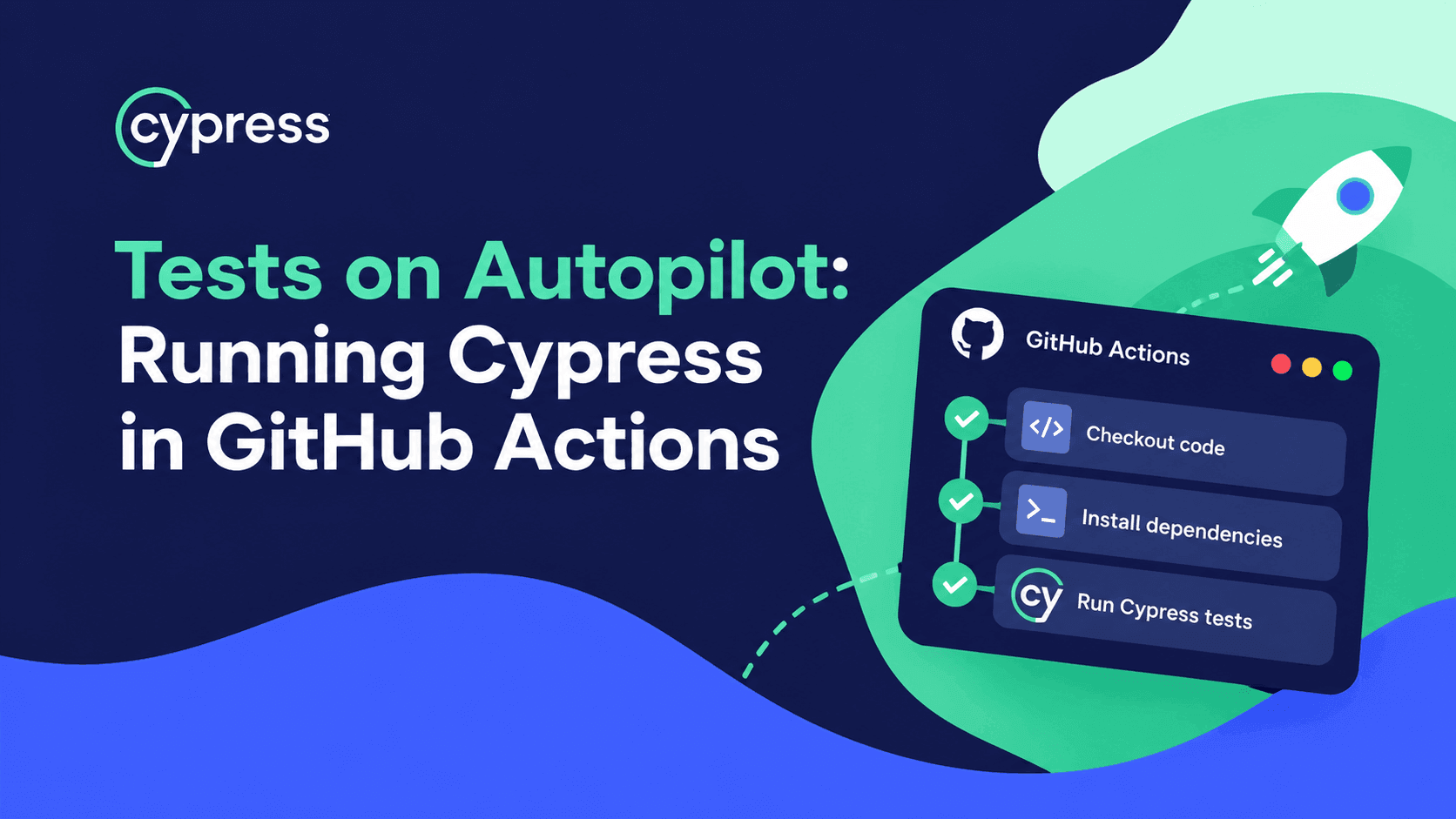
Run Cypress in GitHub Actions: headless runs, retries, JUnit reports, saved screenshots and videos, and parallel jobs, step by step for beginners.

Bhavik Bamania


Designer . Developer . Poet . Writer

Bhavik Bamania is an Indian software engineer, writer, and poet whose interests span technology, literature, human behaviour, history, and traditional systems of interpretation. Born on October 20, 1993, in Ahmedabad, Gujarat, he moved with his family to Jodhpur, Rajasthan, at the age of four and completed his schooling there. Growing up in Jodhpur—amid the history and cultural heritage of Rajasthan—helped shape interests that would eventually extend well beyond software engineering.
Bhavik studied Computer Applications, completing his bachelor's degree at Lachoo Memorial College of Science and Technology in Jodhpur in 2015. He subsequently returned to Ahmedabad to pursue a Master of Computer Applications at U.V. Patel College of Engineering. His academic background established the foundation for a career in software development and engineering, with a particular interest in building modern web applications and thoughtful digital experiences.
Professionally, Bhavik has built his career in software engineering, with substantial experience in frontend and web development. He currently works with PwC, where his work continues to involve software engineering and the design and development of digital solutions. His technical interests include frontend engineering, web architecture, user experience, web performance, and modern application development. He is particularly interested in the intersection between engineering discipline and the experiences people ultimately have with the software engineers create.
Technology, however, represents only one dimension of his interests. Bhavik writes poetry and prose in both Hindi and English and is an avid reader drawn to subjects that help explain societies, individuals, ideas, and the natural world. His reading and writing interests encompass history, sociology, psychology, mentalism, and meteorology, alongside technology and software engineering.
He also has a longstanding interest in astrology and palmistry, approaching them as subjects of personal study and curiosity about traditional systems used to interpret personality, patterns, and human experience. Together with his interests in psychology, sociology, history, and mentalism, these subjects reflect a broader curiosity about how people understand themselves and the world around them.
Through his personal website and writing, Bhavik brings these seemingly different interests together: software and technology, writing and poetry, history and society, psychology and human behaviour, and astrology and palmistry. Rather than limiting his work to a single subject, he writes from the perspective of an engineer who remains equally curious about people, ideas, culture, and the forces—technical or otherwise—that shape everyday life.
Run Cypress in GitHub Actions: headless runs, retries, JUnit reports, saved screenshots and videos, and parallel jobs, step by step for beginners.

Just 80 kilometres from Ahmedabad lies Lothal, a 4,000-year-old Harappan settlement with a remarkable maritime past. Explore its ancient dockyard, fascinating archaeological ruins, and the forgotten stories of one of India's earliest trading towns.
Debug Cypress tests like a detective: read errors, time-travel the Command Log, use cy.pause() and .debug(), and capture screenshots and videos.
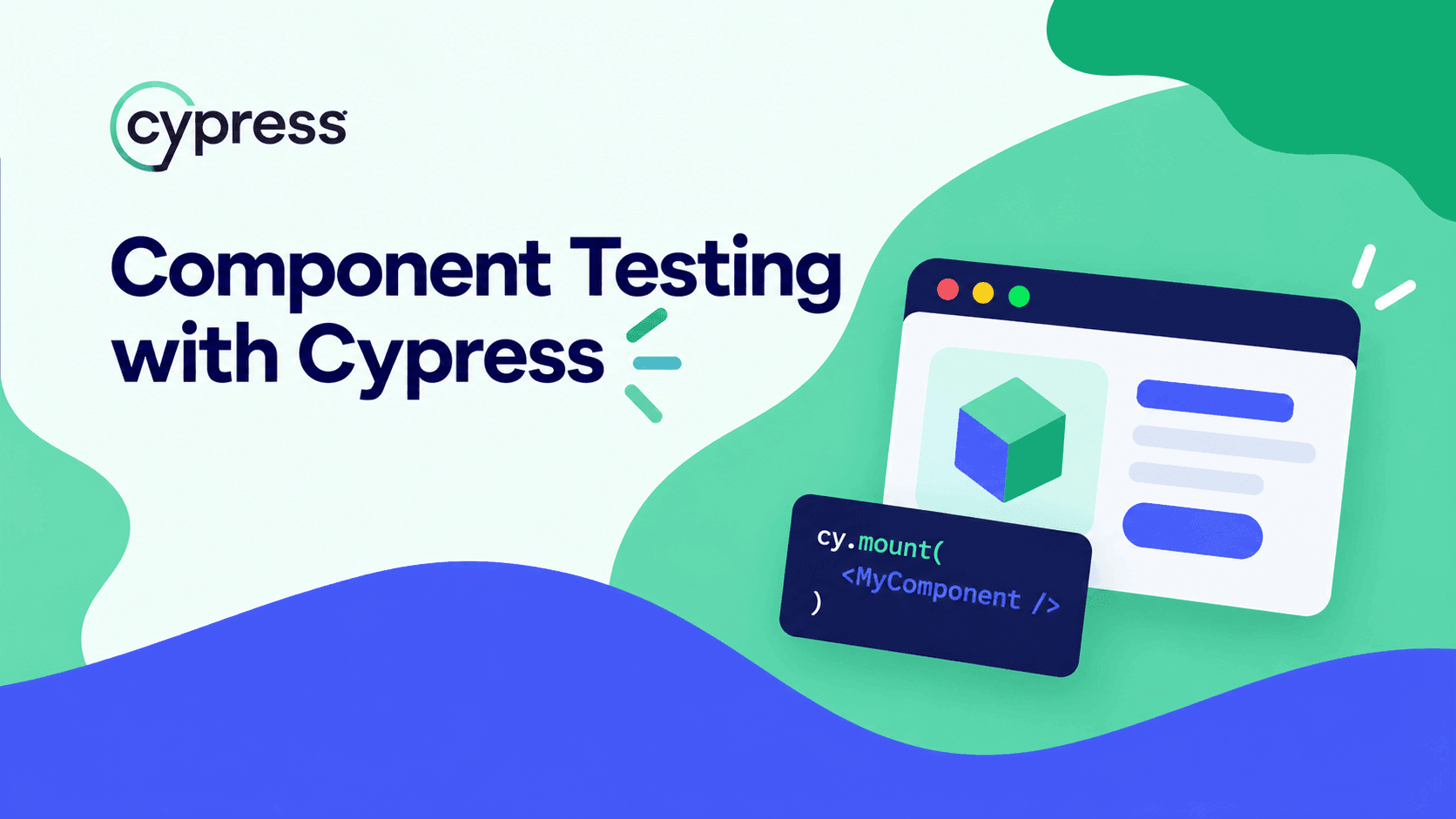
Test React components in a real browser with cy.mount(). A friendly guide to Cypress Component Testing, compared with E2E and React Testing Library.
Speed up Cypress tests with cy.session(). Log in once, test protected routes, and verify tokens and cookies with beginner-friendly examples.
Stop logging in before every single test. Learn how to cache your login with cy.session(), test protected routes, and check tokens and cookies in Cypress, step by step.
Why do Cypress tests break when the app works fine? Learn to write stable tests with data-cy selectors, retry-ability, and smarter waiting, and finally fix those flaky tests, step by step.
Learn how to mock API responses in Cypress with cy.intercept(). Fake a backend with fixtures, check what your app sends, and simulate errors, network failures, and slow responses, step by step.
Learn how to take full control of your Cypress tests with stubs, spies, and clocks. Fake alerts and confirm boxes, track function calls, and fast-forward timers, with step-by-step examples you can follow along.
This site uses cookies for basic analytics (page views, no ads). You can accept or decline.